Signs you need boiler replacement — and what to do next
By Derek John

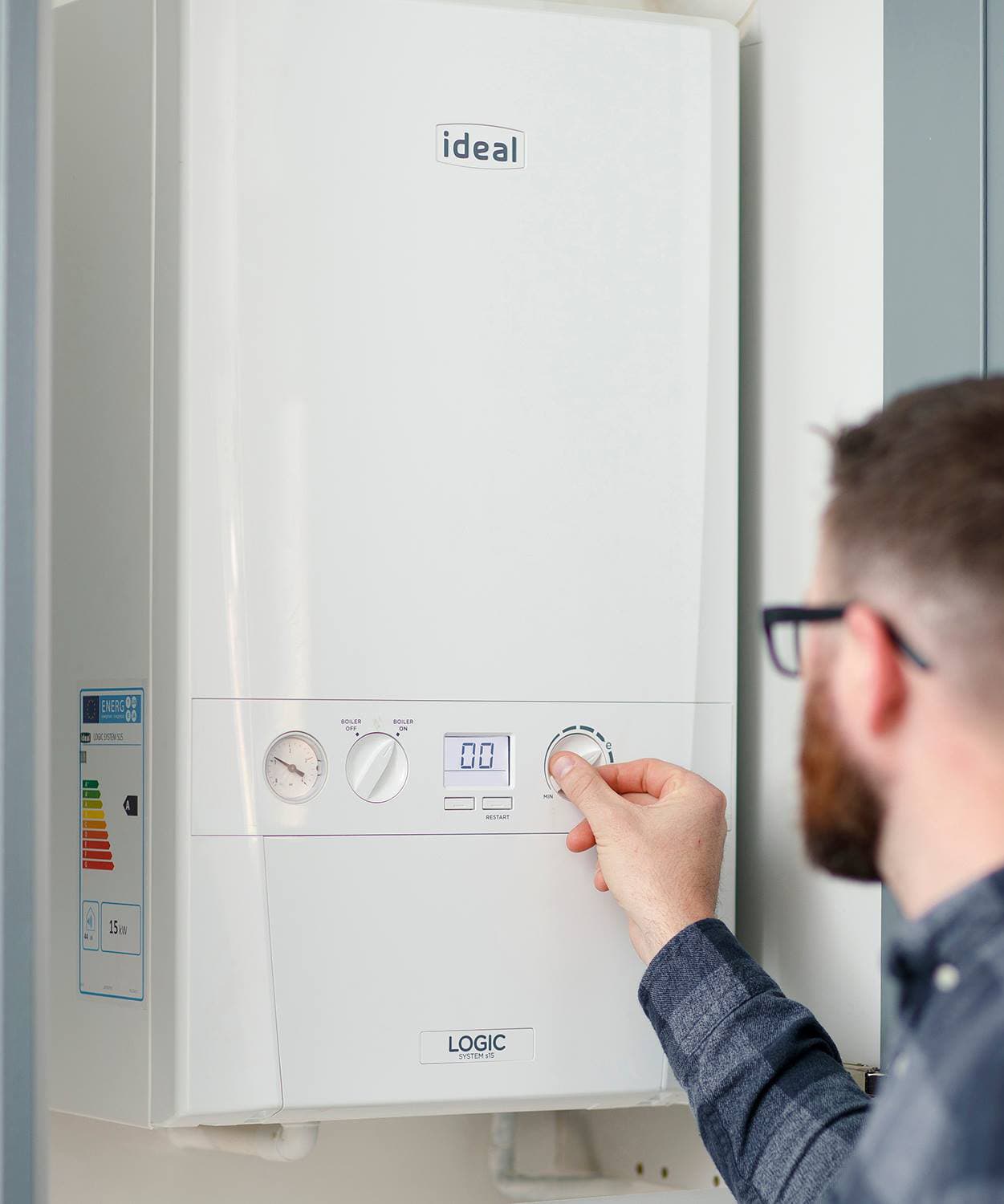
How to tell if your boiler needs replacing — clear signs for homeowners
A failing boiler is not just an inconvenience; it’s a safety and comfort issue. For domestic properties around Dumbarton, Helensburgh and Clydebank, recognising the signs early can prevent cold showers, frozen pipes and unexpected emergency call-outs.
Common, reliable signs your boiler may need replacement
- Age and end of life: Most modern boilers have a practical life. If your boiler is reaching the manufacturer’s recommended lifespan and spare parts are hard to source, replacement is often the sensible choice.
- Frequent breakdowns: Multiple call-outs in a single season — ignition faults, pump failures, or repeated component swaps — point towards systemic wear rather than isolated faults.
- Cold radiators and hot water issues: If you have cold spots on radiators, poor hot water or fluctuating temperatures after bleeding and balancing, the boiler may be losing output or efficiency.
- Rising fuel usage: If your gas use increases despite similar heating habits, a drop in boiler efficiency could be the cause. A new condensing boiler or improved controls will perform better.
- Strange noises (kettling, banging or gurgling): Kettling usually means limescale or sludge in the heat exchanger; persistent noise indicates internal wear and an increased risk of failure.
- Visible leaks or corrosion: Corroded casings, water on the floor under the unit, or a rusty flue are signs of imminent failure and potential safety hazards.
- Yellow or unstable pilot light, or frequent flame failure: These can indicate combustion problems. Any sign of an orange/yellow flame should prompt an immediate safety check.
- No manufacturer cover or warranty left: Older boilers out of warranty are more costly to maintain. When repair bills mount, replacement becomes more cost-effective.
Safety first — immediate actions if you suspect a gas fault
If you smell gas, see a persistently yellow flame, or suspect a carbon monoxide issue (headaches, soot, excessive condensation), take these steps:
- Turn off the gas supply at the meter if it’s safe to do so.
- Ventilate the property — open windows and doors.
- Do not operate electrical switches or naked flames.
- Call the Gas Emergency Service if you smell gas and leave the property.
- For any boiler fault that isn’t an immediate gas leak, arrange a Gas Safe registered engineer inspection — never attempt DIY gas work.
Practical next steps: inspect, compare, plan
Book a professional inspection: A Gas Safe-qualified engineer will inspect combustion, flue, pressure, and the heat exchanger, and advise whether repair or replacement is appropriate. DJ Plumbing and Heating Services Ltd carries Gas Safe and CP12 certification for landlord work across Dumbarton and neighbouring towns.
Get a written repair vs replacement assessment: A reputable installer will list faulty components, estimated reliability after repair, and the expected benefits of replacement — improved efficiency, better controls, warranty and quieter operation.
Factor in system upgrades: When replacing a boiler, consider powerflushing the central heating system to remove sludge, upgrading radiator valves, or fitting a smart thermostat. These measures maximise new-boiler performance and longevity.
Check flue and ventilation: A replacement may require changes to the flue position or room ventilation; your installer should advise on planning permission, building regs and safe installation practice.
Confirm certification and commissioning: Always ask for the Benchmark or commissioning paperwork and manufacturer registration. For landlords, ensure a valid CP12 Landlord Gas Safety Certificate is provided.
Plan disruption and timeline: A typical swap involves draining the system, removing the old boiler and installing the new unit and controls. Ask your installer for an estimated timescale and any temporary heating arrangements if needed.
Should I repair or replace? Questions to ask your engineer
- What is the age and condition of the heat exchanger?
- Are replacement parts still readily available?
- What efficiency improvement will a new boiler deliver for my property type (semi, tenement, detached)?
- How long is the new warranty and what does it cover?
- Can you integrate smart controls or a hot water cylinder if required?
These answers help you make a practical decision suited to your home and heating pattern.
Alternatives and future-proofing
If you’re exploring low-carbon options, ask about integrating a heat pump or hybrid system. DJ Plumbing and Heating Services Ltd provides air source heat pump installation and servicing for customers wanting to move away from pure gas systems. A qualified assessment will show whether your property is suitable.
Ready to take the next step?
If your Dumbarton home shows any of the signs above, book an inspection with a Gas Safe-registered engineer. For professional advice, emergency call-outs and full boiler replacement or servicing, contact DJ Plumbing and Heating Services Ltd. Call 07901992183 or email derekjohn78@icloud.com. Our office: Unit 8000 Academy Business Park, 51 Gower Street, Glasgow, G51 1PR.
We’ll assess whether repair or replacement is the safest, most reliable solution and provide a clear, written recommendation tailored to your domestic heating system.