Can a New Boiler Match Your Existing System Type?
By DJ Plumbing and Heating Services Ltd
The existing boiler is only the starting point
A like-for-like replacement can be sensible, but it is not automatically the right answer. Your current boiler type reflects the way the property was designed and how heating and hot water were originally supplied. It does not necessarily reflect how the home is used today.
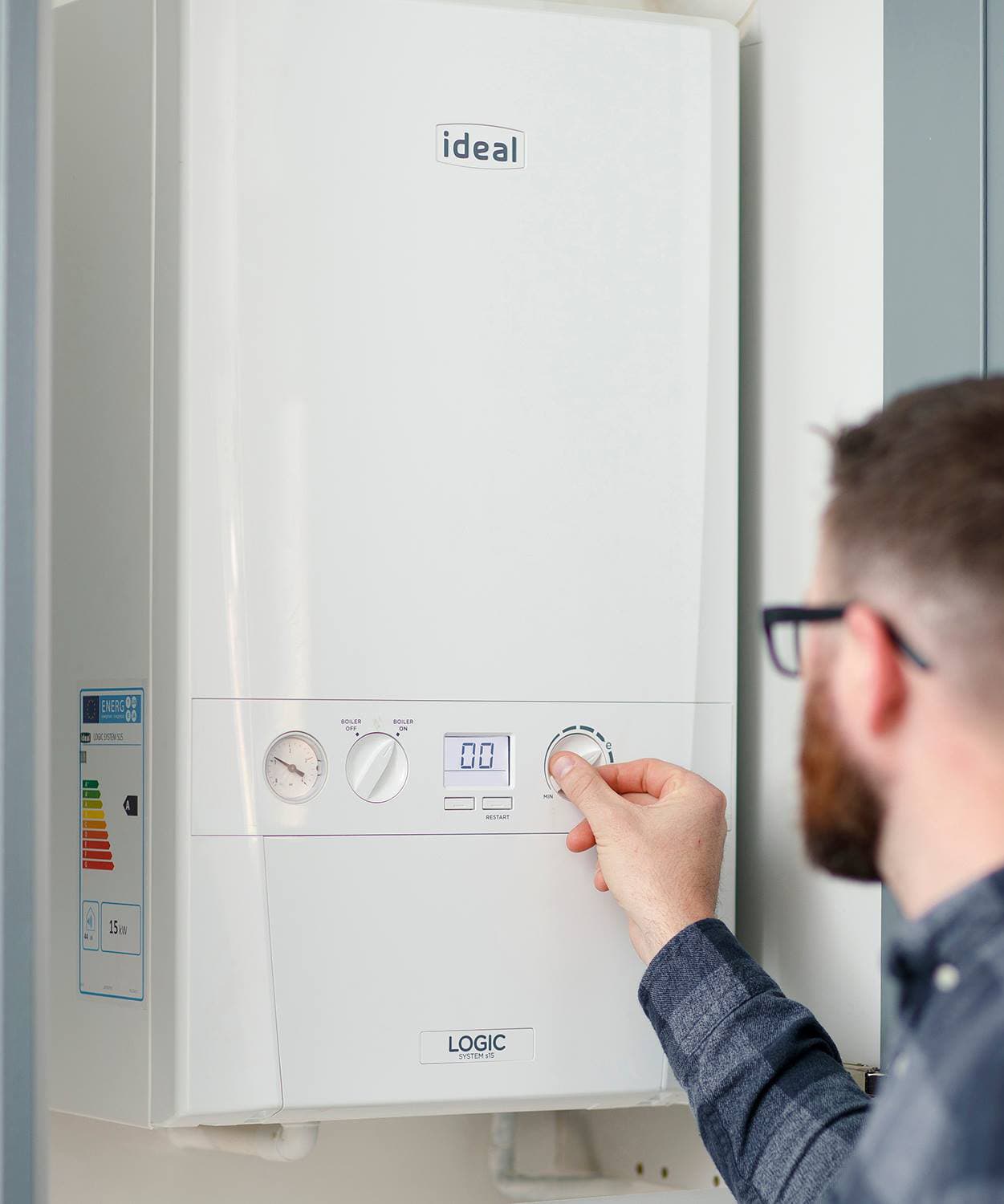
When we assess a replacement in Dumbarton, we look beyond the appliance itself. The position of the boiler, the condition and size of the pipework, the available water supply, the number of bathrooms and the way your household uses hot water all affect the suitable system. That is why our boiler replacement service starts with understanding the property rather than choosing a model from a catalogue.
Combi, system and regular boilers work differently
Combi boilers
A combi boiler heats water directly when you open a tap, so it does not need a separate hot water cylinder or cold water storage tank. This can free up cupboard or loft space and suits homes where hot water is generally needed in one place at a time.
The trade-off is that a combi depends on the incoming mains supply. If the flow rate is limited, the boiler cannot create a strong hot water flow simply by being more powerful. A larger appliance may increase heating capacity, but it will not solve inadequate mains flow. We need to assess what the property can actually supply before recommending this change.
A combi may also be less suitable where several showers, baths or taps are likely to operate together. The question is not just whether the boiler can heat the home. It is whether the hot water delivery matches the household’s daily demands.
System boilers
A system boiler heats a sealed central heating system and works with a separate hot water cylinder. Many of the main heating components are built into the boiler, which can make the arrangement neater than an older open-vented system.
This type can suit a property with more substantial hot water requirements because stored hot water is available in the cylinder. It still needs enough space for the cylinder, along with pipework that can be adapted correctly. The cylinder’s condition and capacity matter too. Installing a new boiler while leaving an unsuitable or failing cylinder can limit the benefit of the replacement.
Regular boilers
A regular boiler, also called a conventional or heat-only boiler, normally works with a hot water cylinder and a cold water storage tank. This arrangement is common in older properties and may be integrated into a wider gravity-fed system.
Replacing it with another regular boiler may be the least disruptive option where the existing layout is sound and the property’s hot water arrangements work well. Changing to a combi or system boiler is possible in some homes, but it can involve more than exchanging the appliance. The cylinder, tanks, pipe routes and available installation space all become part of the decision.
What your property tells us
The building itself can rule options in or out. A compact flat may have limited cupboard space and restricted routes for new pipework. A larger semi-detached property may have several bathrooms, longer pipe runs and more than one occupant using hot water at the same time. Older homes in and around Dumbarton can also have system layouts that have been altered over several previous installations.
We check where the boiler is positioned, where the flue can safely terminate, how the heating circuit is arranged and whether the existing pipework is appropriate for the proposed appliance. A new boiler must be installed in accordance with the manufacturer’s instructions and applicable safety requirements, not forced into a layout that does not support it.
The number and position of radiators matter as well. A replacement boiler may expose weaknesses in circulation that were less noticeable with the old appliance. Flow restrictions, unsuitable pipe sizes or heavy contamination in the system can affect how evenly heat reaches different rooms. These issues do not automatically mean the whole system needs replacing, but they should be identified before the new boiler is commissioned.
When a change of system makes sense
A different boiler type may be worth considering when your household has changed, when the existing cylinder or tanks take up valuable space, or when hot water performance no longer suits the property. It may also be sensible where the current arrangement has constraints that make repeated repairs or replacement parts impractical.
There are trade-offs. A system change can improve space usage or hot water control, but it may require alterations to pipework, electrical controls, flue arrangements or stored hot water equipment. A like-for-like installation can reduce disruption, but it may preserve limitations that you already find inconvenient.
The right choice comes from matching the system to the property, not from choosing the newest type in isolation. We will explain what can be retained, what would need altering and why, so you can make an informed decision before installation begins.
Speak to DJ Plumbing and Heating Services Ltd
We provide boiler replacement across Dumbarton, Helensburgh, Bearsden, Milngavie, Clydebank, Balloch, Alexandria, Glasgow and Bishopton. As Gas Safe registered heating engineers, we assess the existing arrangement carefully before recommending a suitable replacement for your home. Contact us to arrange a survey and request a clear quotation based on the actual work involved.