
How We Diagnose Intermittent Boiler Faults and Control Issues
By DJ Plumbing and Heating Services Ltd
Why intermittent boiler faults need a different approach
A boiler that fails once and then works normally can be more difficult to diagnose than one that has stopped completely. A permanent fault usually leaves clear evidence. An intermittent fault may only appear when the heating demand changes, the system reaches temperature, a control signal drops out or a component has been running for a while.
That means replacing the first part that looks suspicious is not always the right repair. The important question is not simply what happened once. It is what condition caused the boiler to behave that way, and whether the same condition is likely to return.
Our Boiler Repair service is built around finding that underlying cause rather than treating the most obvious symptom.
What we establish before testing the boiler
We start with the fault history because your description can reveal a pattern that is no longer visible when we arrive. Useful details include:
- Whether the boiler loses heating, hot water, or both
- Whether the problem occurs when the system starts, stops or changes demand
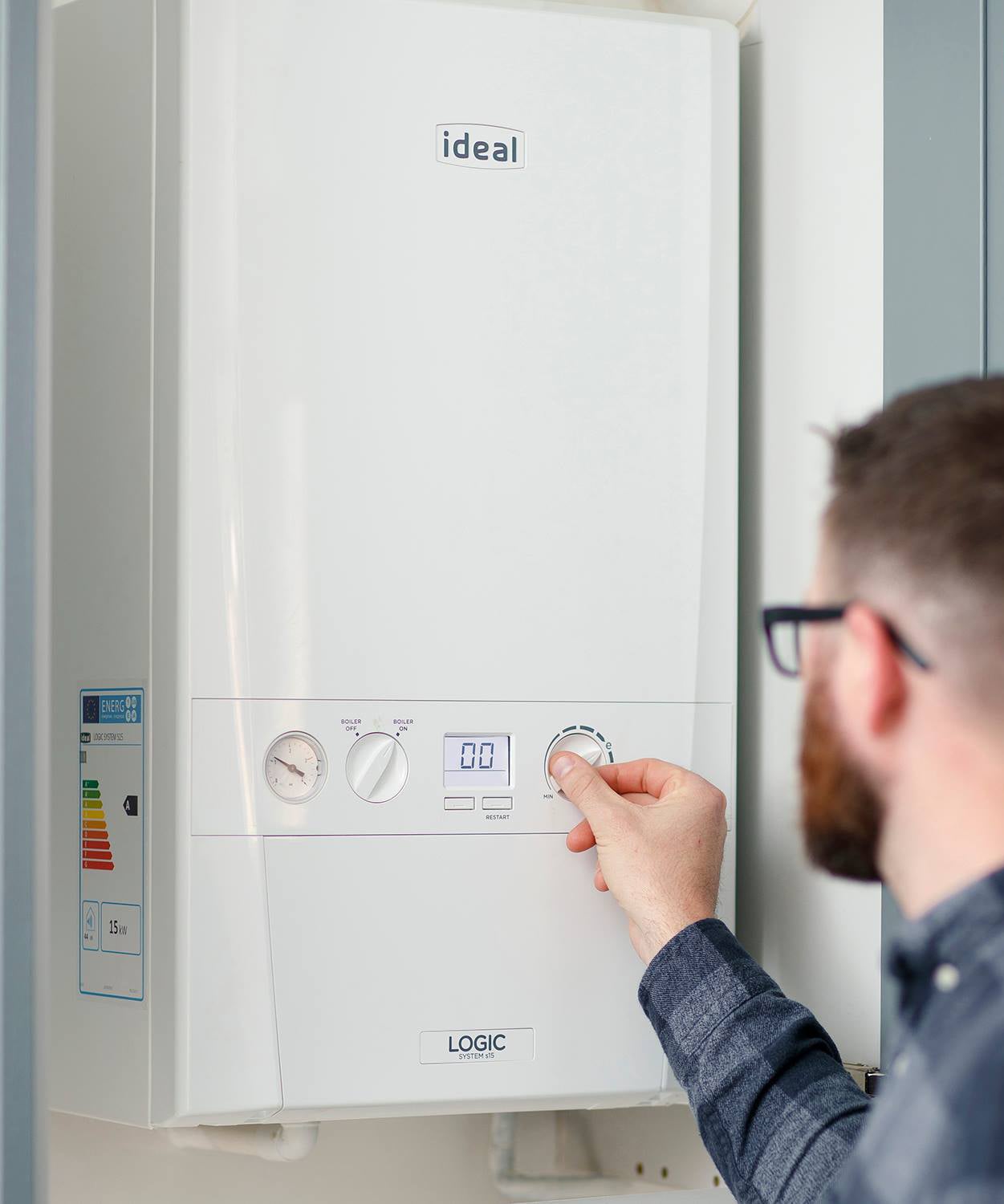
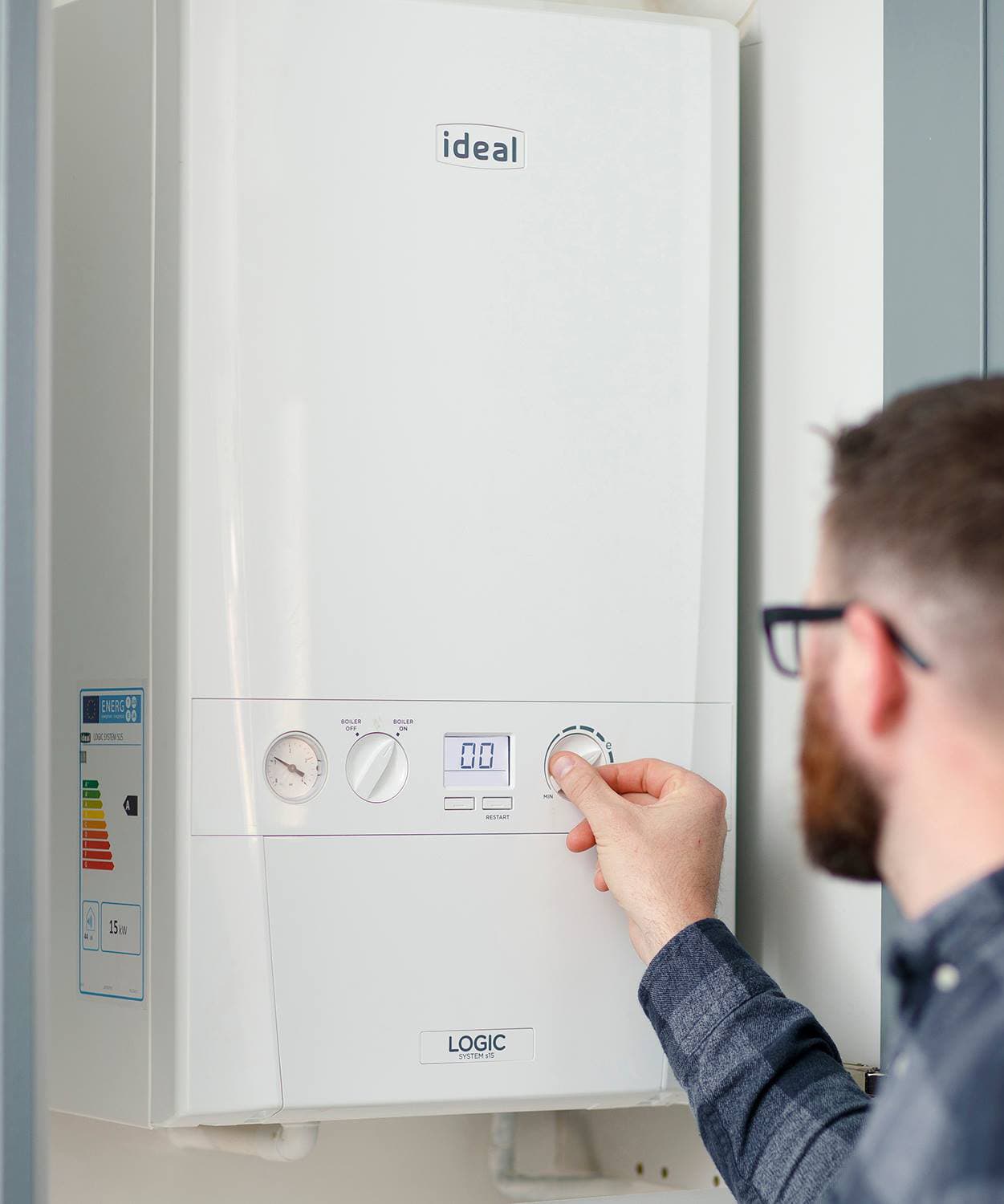
- Any fault code or warning displayed on the boiler
- Whether resetting the boiler restores operation temporarily
- Whether radiators, taps or thermostatic controls behave differently at the same time
- Whether the issue affects every control or only one room or zone
A reset can be useful information, but it does not prove that the boiler itself is defective. It may clear a temporary safety shut-down while leaving the original cause untouched. We treat the reset as part of the fault history, not as a diagnosis.
Separating a boiler fault from a control fault
Heating controls can make a healthy boiler appear unreliable. A programmer, room thermostat, smart control, receiver, wiring connection or motorised valve may fail to send the correct request for heat. In that situation, the boiler may not start because it has not been instructed to start.
We work through the system in order. First, we establish what the controls are requesting. Next, we check whether that request is reaching the relevant equipment. Finally, we confirm how the boiler responds when the correct demand is present.
This distinction matters. Replacing a boiler component when the real problem is a control signal will not provide a lasting repair. Equally, replacing a thermostat without checking the rest of the circuit can leave the same fault unresolved.
Wireless controls introduce another layer to the investigation. A control may show a request for heat on its display even when the separate receiving unit, batteries or wireless connection is not working consistently. Wired controls can also develop loose connections or faults that only show under particular operating conditions. We do not assume the display tells the whole story. We check the connection between the control and the boiler.
Recreating the conditions that trigger the fault
Intermittent problems often reveal themselves when the system is operated rather than simply inspected. We may run the heating or hot water demand, observe the boiler through its start sequence and check what changes when the fault appears.
The sequence is important. A boiler may receive a request to heat the home but fail when trying to light. It may ignite and then shut down because a safety condition is detected. It may run correctly but fail to respond when demand is removed or restored. Each point in that sequence directs the investigation towards a different part of the system.
We also look for whether the fault follows a particular control, appliance demand or operating pattern. If hot water works but heating does not, the investigation takes a different direction from a fault affecting both. If the boiler works from one control but not another, that comparison can be more useful than repeatedly resetting the appliance.
Checking symptoms against causes
Error codes are valuable, but they are not always a complete answer. A code can identify the area in which the boiler has detected a problem without proving which component caused it. The same visible symptom can have more than one possible cause.
For example, a failure to light may relate to the lighting process, the request from the controls, a safety device stopping operation or another condition that prevents normal operation. We use the code alongside the operating sequence and other observations. This reduces the risk of fitting a part simply because its name appears in the fault message.
The same principle applies to pressure changes, repeated safety shut-downs and controls that appear to work only occasionally. The visible symptom tells us where to look. Testing is what helps establish why it is happening.
When monitoring is more useful than guessing
Some intermittent faults do not occur during the first test. If the boiler is operating normally, we explain what has been established and what remains uncertain. Depending on the system, useful next steps may include recording the exact circumstances of another failure, checking whether the fault follows a particular control, or arranging further investigation rather than recommending an unsupported part replacement.
That is not an incomplete diagnosis. It is a more honest approach when the evidence does not yet identify a definite failed component. Clear information about when the fault occurs can make the next stage far more precise.
A safe, practical handover
Once we identify the cause, we explain whether the repair relates to the boiler, the heating controls or another part of the system. We set out what needs attention and why, including any uncertainty that remains. Gas work should be carried out by a Gas Safe registered engineer. We are Gas Safe Registered.
If your boiler fault comes and goes in Dumbarton, Helensburgh, Clydebank, Bearsden, Milngavie or the surrounding Glasgow area, contact DJ Plumbing and Heating Services Ltd. Tell us what the boiler did, what restored it and which controls were involved. That information gives us a stronger starting point for a properly investigated repair.


