How to Prepare Your Home for a Boiler Installation
By DJ Plumbing and Heating Services Ltd
How to prepare your home for a boiler installation
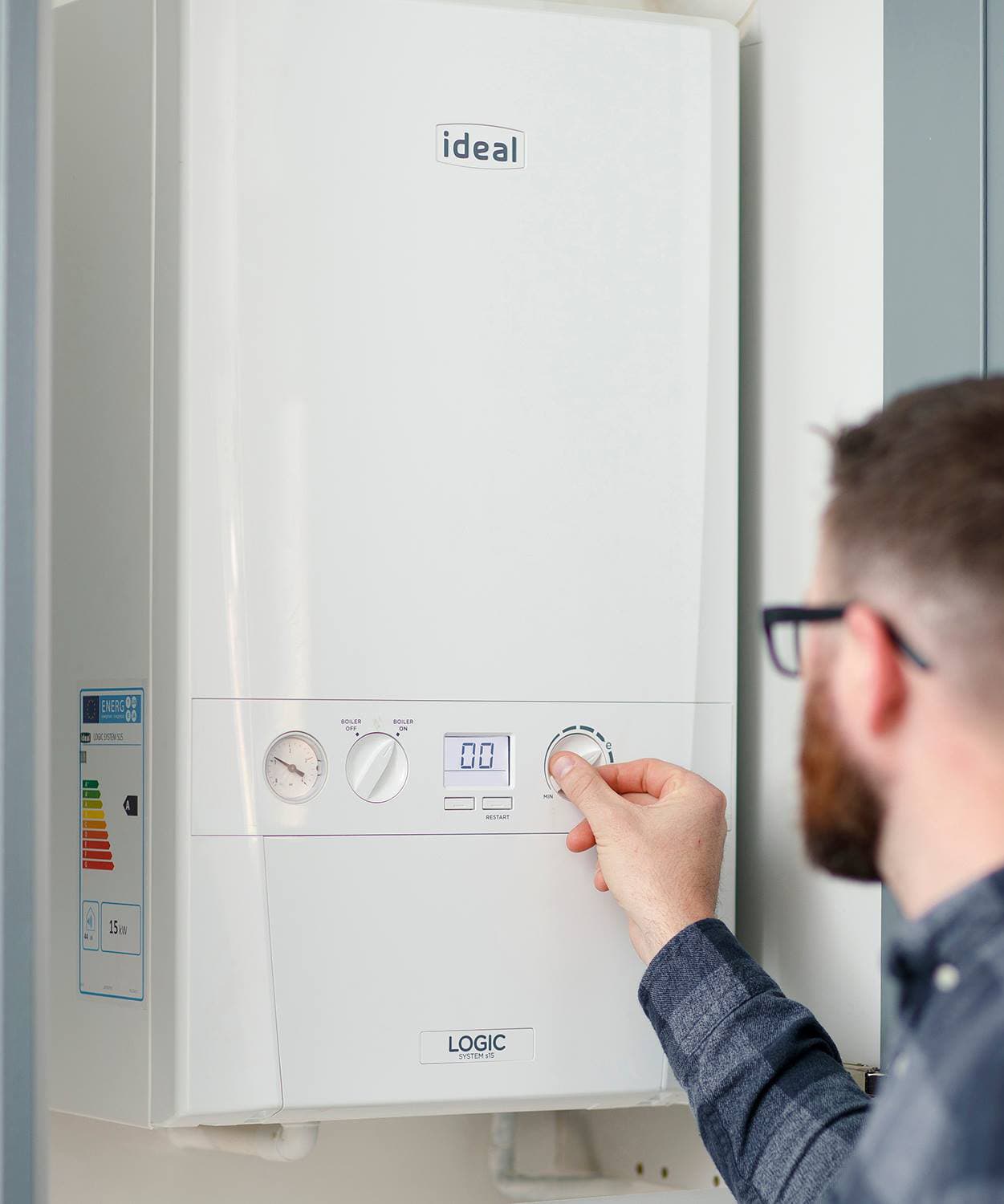
A boiler installation is not simply a matter of taking one appliance off the wall and putting another in its place. The condition of the existing system, the route of the boiler's exhaust pipe, access to pipework and the position of controls can all affect how the work proceeds.
If you are arranging a new boiler in Dumbarton, Helensburgh, Clydebank or elsewhere across our service area, a few sensible checks before the appointment can make the installation more straightforward. You can read the short overview of our Boiler Installation service separately, but this guide focuses on what you can do before we arrive and where professional work begins.
1. Clear access to the boiler and surrounding pipework
Remove stored items, laundry, shelving and household belongings from around the existing boiler. If the appliance is inside a cupboard, clear the cupboard fully rather than leaving items pushed to one side. Our engineer may need to inspect the connections beneath the boiler, the wall behind it and the route taken by nearby pipes.
Access may also be needed to the heating timer, thermostat, radiators, hot water cylinder or pipes in the loft, depending on the type of system in your property. In a tenement flat, Victorian terrace or older cottage, pipework is not always arranged in an obvious way. Clearing likely access points avoids delays when the existing system needs to be located, followed or altered.
Protect furniture and belongings along the route between the entrance and the working area. Boiler replacement involves lifting equipment and removing old components, so a clear route is safer for both the property and the people carrying out the work.
2. Make a note of how your heating system is used
Before the installation, consider how your household uses heating and hot water. Note whether several taps are used at once, whether showers rely on stored hot water, and whether the property has more than one bathroom. Also think about any rooms that regularly feel difficult to heat.
This information helps us assess whether the proposed boiler arrangement suits the way you live. A boiler that is suitable for a compact flat may not be the right choice for a larger home with more hot water being needed at the same time. The important point is to discuss actual usage, not just the boiler position or the output of the old appliance.
If you have existing heating controls, locate them and note any faults or awkward settings. Tell us if you want to understand or change how the controls work. A new boiler can perform properly while the household still struggles if the control arrangement is poorly understood or does not suit the way the home is occupied.
3. Gather useful information, but do not alter the system
Keep any documents you have for the existing boiler, including its model details, service history and instructions. They may help identify the appliance and explain previous changes. If you know of past issues, such as pressure loss, repeated air in radiators or unreliable hot water, write them down rather than relying on memory during the survey.
Do not disconnect gas pipework, remove the flue, drain the heating system or attempt to move the boiler yourself. Do not open the appliance casing. Gas work and the safety-critical parts of an installation must be assessed and completed by a suitably qualified engineer. At DJ Plumbing and Heating Services Ltd, gas work is carried out by Gas Safe registered engineers.
You can safely report what you have observed. You should not try to diagnose the cause or prepare by dismantling anything.
4. Consider the proposed position and external routes
If you are hoping to move the boiler, identify what is on the other side of the wall and where a flue could potentially terminate. The proposed position may affect the condensate drain, which carries away water produced by the boiler, gas and water pipe routes, access for future servicing, and the appearance of the room or exterior wall.
A position that looks convenient from inside may require more complicated pipe routes, poor access or an unsuitable flue route. This is why a survey matters, particularly in older Dumbarton properties where solid walls, extensions and altered layouts can limit the practical options.
Think about whether access will be available to the outside wall, loft, cupboard or utility area if the agreed installation requires it. We will confirm what is technically suitable rather than relying on assumptions based only on where the current boiler sits.
5. Arrange practical details for the installation day
Secure pets and make sure children cannot enter the working area. Let us know about alarms, vulnerable flooring, narrow stairways or access restrictions before work begins. If parking near the property is difficult, explain the situation in advance so equipment can be brought in safely and efficiently.
You may have limited or interrupted heating and hot water while the old appliance is disconnected and the new system is installed. Plan access to essential rooms and keep the working area available until the installation, testing and handover are complete. Do not switch off supplies or change system settings unless we specifically instruct you to do so.
What preparation cannot replace
Clearing access and sharing useful information help, but they do not replace the pre-installation assessment. We still need to verify the boiler position, the boiler's exhaust arrangements, pipes, controls and wider heating system before work is finalised. That assessment is what separates a suitable installation from a boiler that merely fits the space.
For boiler installation across Dumbarton, Glasgow and nearby areas, contact DJ Plumbing and Heating Services Ltd to discuss your property and arrange the right next step.